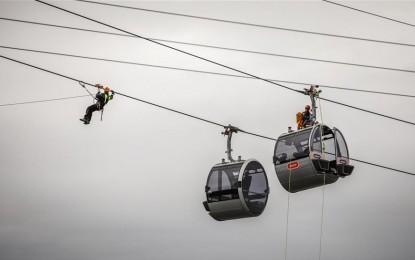
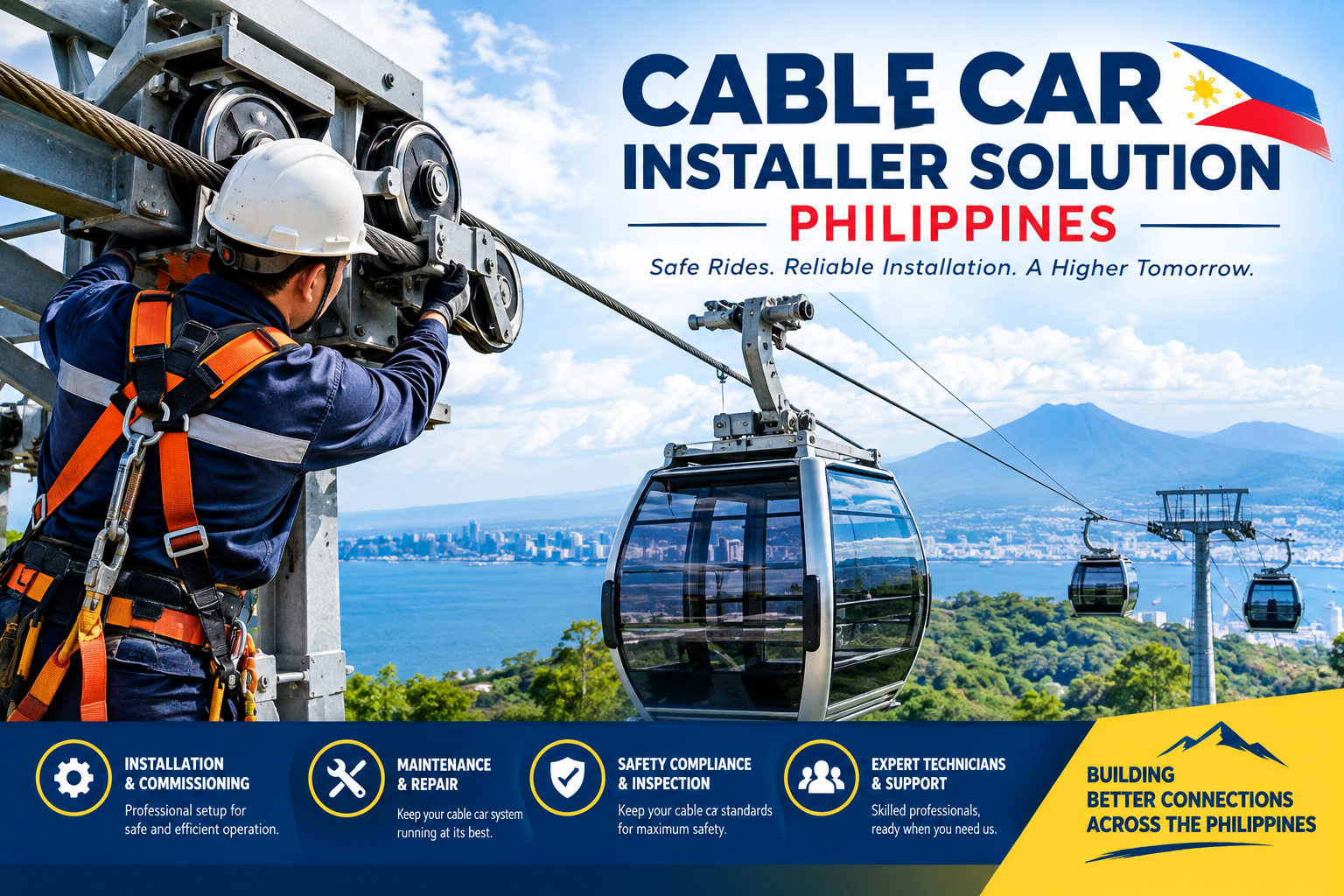
Cable cars offer a distinctive transportation option for developments located in elevated, mountainous, or difficult-to-access environments. In the Philippines, this type of transportation can be considered for tourism attractions, resorts, recreational facilities, hillside developments, and other specialized projects. A cableway system, however, involves sophisticated equipment that requires careful planning and professional installation. The project may include structural foundations, towers, cables, passenger cabins, drive equipment, braking systems, electrical controls, communication systems, and safety equipment. Each component needs to be properly coordinated to support reliable operation. For project owners searching for a cable car installer solution Philippines, understanding the installation process can make it easier to identify the technical services and project support required. From evaluating the site to establishing a maintenance program, each stage contributes to the overall performance and serviceability of the system.
The Role of a Cable Car Installation Specialist
A cable car installation specialist provides technical support for assembling and integrating the different parts of a cableway system. Depending on the project’s scope, the installer may work with the project owner, equipment manufacturer, structural engineers, electrical contractors, and other construction professionals. This collaboration is important because cableway equipment must correspond with the supporting structures and electrical infrastructure prepared at the site. Installation work may involve positioning towers, assembling mechanical equipment, installing cables, connecting controls, and preparing passenger cabins. The installer may also assist with testing, commissioning, troubleshooting, and maintenance after physical installation is completed. Each project has different technical requirements, so the exact responsibilities should be clearly defined before work starts. When evaluating a cable car installer solution Philippines, project owners should consider whether the provider has the resources and technical capabilities necessary for the entire installation scope.
Assessing the Site for a Cableway Project
A detailed site assessment provides important information for determining how a cable car system can be installed. Engineers may examine the proposed route, elevation changes, terrain, ground conditions, available space, station locations, and potential obstacles. Existing buildings, roads, utility lines, vegetation, and other infrastructure may need to be considered when establishing the route. Access to different sections of the site is also important because large equipment and installation machinery may need to reach tower and station locations. Tropical weather conditions can introduce additional planning considerations involving rain, humidity, wind, and drainage. Maintenance access should be considered at this stage rather than after construction is finished. Information gathered during the site assessment can help the project team identify engineering and construction requirements. A well-planned assessment can also help reduce the possibility of unexpected site changes during equipment installation.
Determining the Right Cable Car Configuration
Not every cableway project requires the same type of system or equipment configuration. Passenger capacity, route length, elevation, travel speed, operating frequency, station arrangement, and terrain can influence system selection. Project owners should first define what the transportation system is expected to accomplish. A system serving a tourism attraction may have different requirements from one intended to provide transportation across a large private development. The number of passengers expected during peak periods can affect cabin capacity and operational planning. Environmental conditions can also influence material selection, equipment protection, and maintenance requirements. Engineers and cableway specialists should evaluate these factors before a final equipment configuration is established. Selecting equipment according to the project’s actual requirements can help create a more practical installation and long-term operating strategy.
Structural Foundations and Support Towers
Cable car systems depend on properly designed and positioned structures to support the cableway equipment. Foundations must be developed according to the requirements established by qualified structural and civil engineers. Support towers need to be accurately positioned because their locations affect cable alignment and system geometry. Station structures may also need to accommodate passenger movement, mechanical equipment, electrical components, and maintenance activities. Structural elements must be compatible with the selected cableway system and the expected loads. Construction teams should therefore coordinate structural work with the cableway installer and equipment manufacturer. Accurate surveying and dimensional verification can be especially important before mechanical installation begins. Addressing structural requirements early can reduce the likelihood of costly modifications once equipment arrives at the site.
Installing Cableway Mechanical Equipment
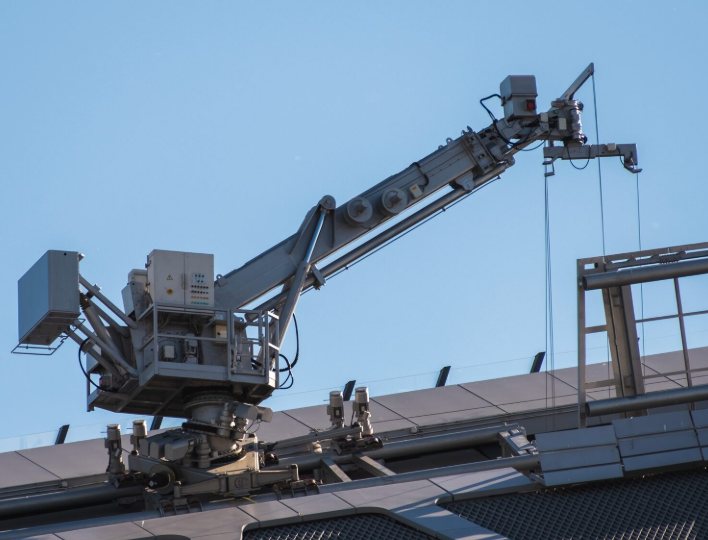
The mechanical installation phase involves assembling the equipment that allows the cable car to move along its intended route. Depending on the system, this may include drives, sheaves, pulleys, grips, brakes, hangers, cabins, ropes, and other assemblies. Installation personnel need to follow the manufacturer’s specifications and approved engineering documents when assembling these components. Heavy components may require cranes, lifting equipment, temporary platforms, or specialized handling procedures. Cable installation itself requires careful planning because the equipment must be handled and positioned according to established procedures. Mechanical alignment and clearances should be checked during installation to support proper interaction between components. Installed equipment should also be inspected before the system moves into the testing stage. A methodical installation process can help identify mechanical issues early and provide a better foundation for commissioning.
Electrical and Automation Requirements
Electrical and automation systems play an important role in modern cableway operation. Depending on the design, these systems may control drives, monitor operating conditions, activate alarms, manage emergency functions, and facilitate communication. Sensors and monitoring equipment can provide information about system conditions to operators and maintenance personnel. Electrical wiring should be organized and protected against moisture, physical damage, heat, and other environmental conditions. Control equipment should be installed according to the manufacturer’s technical requirements and the project’s electrical design. Testing should verify that relevant electrical components communicate correctly with mechanical and safety systems. Proper labeling and documentation can also help technicians diagnose problems during future maintenance. Integrating electrical and automation systems carefully is therefore an important part of the overall cableway installation process.
Safety Planning for Installation Work
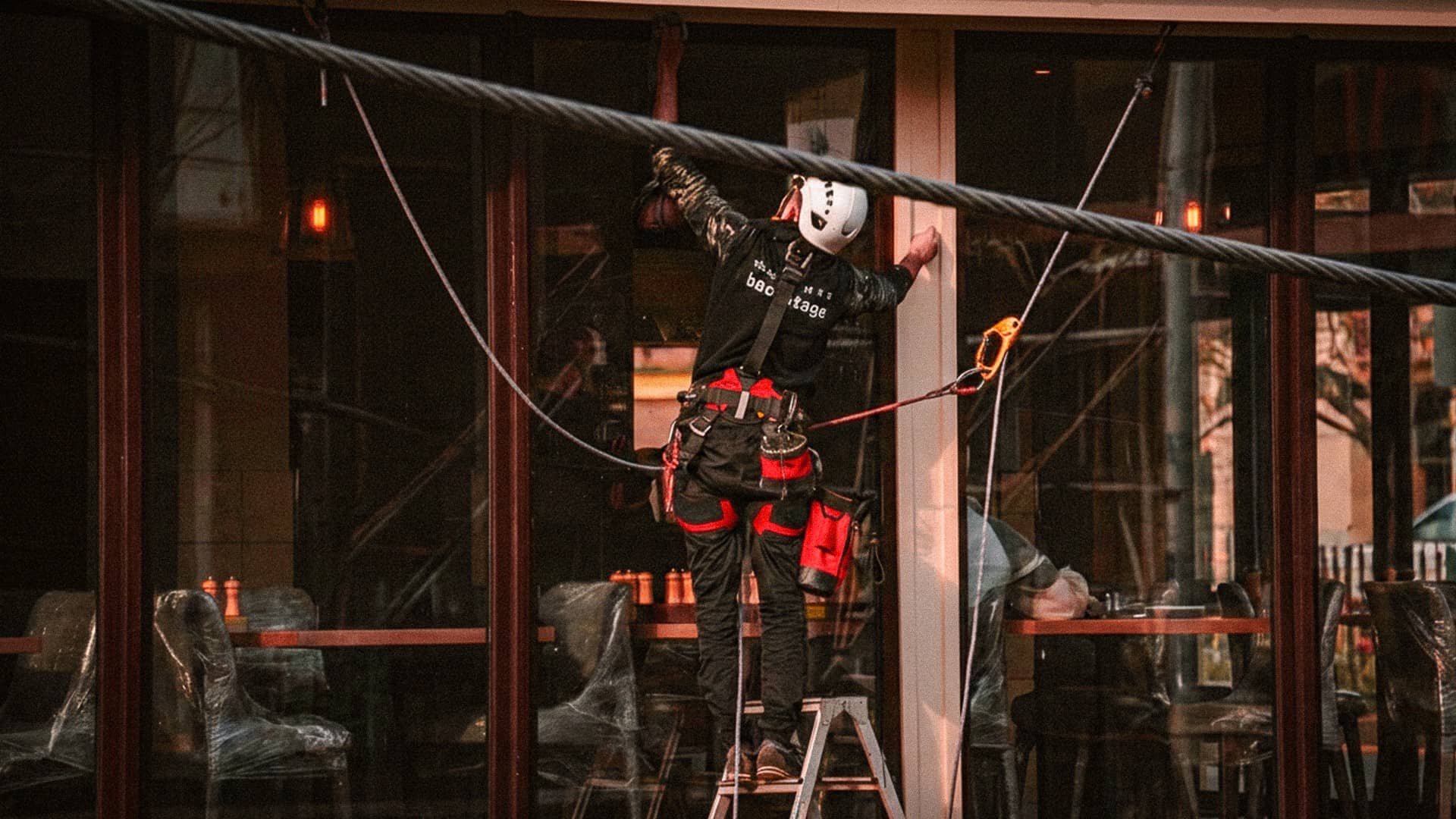
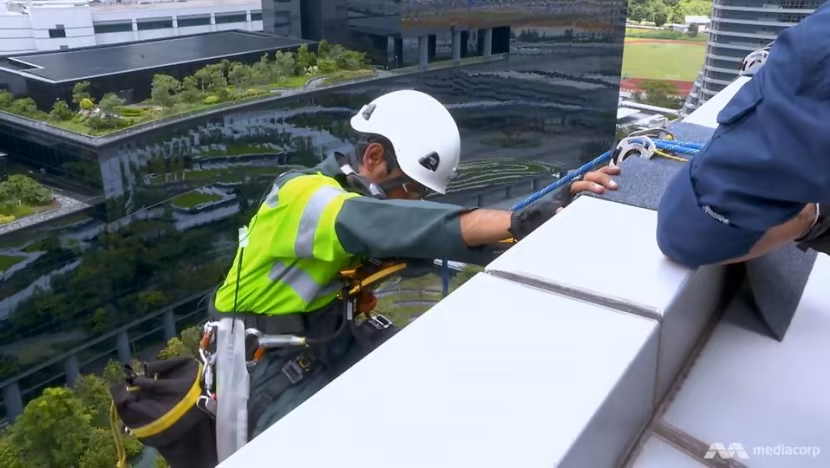
Cable car installation can expose workers to a variety of construction hazards. These may include work at height, heavy lifting, electrical equipment, moving machinery, suspended components, and difficult access conditions. Workers should receive appropriate training for their assigned responsibilities and use suitable personal protective equipment. Work areas should be controlled to prevent unauthorized personnel from entering hazardous zones. Lifting activities should be planned around equipment capacity, load characteristics, site conditions, and qualified personnel. Fall protection should be incorporated into activities where workers are exposed to elevated-work hazards. In the Philippines, construction safety and health requirements should be incorporated into project planning, and DOLE provides requirements concerning Construction Safety and Health Programs. (car.dole.gov.ph) A professional installation provider should integrate safety management into its daily work procedures throughout construction and installation.
Cableway Safety Devices and Emergency Systems
Passenger transportation requires careful attention to systems designed to manage abnormal operating conditions. Depending on the cableway configuration, safety equipment may include braking systems, emergency controls, sensors, communication systems, alarms, and other protective devices. These systems should be installed according to the design and manufacturer requirements. Operators should understand the purpose and operation of relevant emergency equipment before passenger service begins. Emergency procedures should also be developed around the specific site and system configuration. Communication between operators, maintenance teams, and emergency personnel can be particularly important during abnormal events. Cableway inspection services can include examination of safety devices, brakes, electrical controls, ropes, clamps, drives, cabins, and other relevant components. (tuvsud.com) Safety equipment should therefore be treated as an integrated part of the cableway rather than as an optional addition.
Inspection, Testing, and Commissioning
After installation, the cable car system should undergo appropriate inspection and testing before normal passenger operation. Mechanical components can be checked for correct assembly, alignment, movement, and interaction. Electrical controls, sensors, communications, alarms, and emergency functions can also be tested. Braking systems should be evaluated according to the applicable technical requirements and equipment design. Testing can help identify problems that may not be visible during ordinary installation inspections. Any issues identified should be corrected and documented before the system is released for its intended operation. Commissioning documentation can include inspection records, test results, adjustments, and other relevant information. Proper commissioning provides operators with useful records that can support future maintenance and technical management.
Creating a Long-Term Maintenance Program
A cable car installation needs regular inspection and maintenance after commissioning. Mechanical components can experience wear through normal operation, while electrical and control equipment can also require periodic checks. Maintenance activities may include lubrication, brake inspection, cable-related assessments, electrical testing, structural inspection, safety-device checks, and component replacement. The specific schedule should follow manufacturer recommendations and applicable requirements. Operators should maintain detailed records showing when inspections and servicing were performed. These records can help identify recurring problems and provide information about equipment condition. Spare parts and qualified technical support should also be considered when developing a maintenance program. Planning maintenance early can help project owners avoid treating servicing as an afterthought once the system is operational.
Choosing a Cable Car Installer in the Philippines
The installer selected for a cableway project can have an important role in the project’s technical execution. Project owners should review the provider’s experience with relevant cableway equipment and installation environments. They should also determine whether the provider can coordinate with manufacturers, engineers, electrical contractors, structural specialists, and safety personnel. The installation methodology should be clearly explained before the project begins. Owners should ask about equipment handling, mechanical assembly, cable installation, electrical integration, testing, commissioning, and documentation. Safety procedures and personnel qualifications should also be evaluated. Post-installation support can be another important factor, particularly for specialized equipment that requires trained technicians. A comprehensive cable car installer solution Philippines provider should be able to clearly explain how its services address both immediate installation requirements and longer-term technical needs.
Managing Costs and Project Expectations
Budget planning for cableway installation should account for more than the purchase price of the primary equipment. Site preparation, foundations, support structures, transportation, lifting equipment, installation labor, electrical infrastructure, testing, commissioning, permits, inspections, and maintenance can all contribute to total project costs. Project owners should request detailed quotations that identify included services and exclusions. Comparing quotations based solely on the lowest price can make it difficult to determine which proposal provides the appropriate technical scope. Potential changes caused by site conditions should also be considered during budget planning. Equipment lead times and specialized installation requirements may influence project scheduling and associated costs. Maintenance, spare parts, inspections, and technical support should be included in long-term financial planning. A detailed project budget can help owners establish realistic expectations before construction and installation activities begin.
Documentation and Handover Requirements
Documentation is an important part of completing a cable car installation project. Owners may need equipment manuals, installation records, testing documentation, maintenance information, technical drawings, and commissioning records. These documents can help operators understand the system and support future inspections and servicing. Equipment documentation can also help maintenance personnel identify appropriate replacement parts and procedures. Safety information should be available to personnel responsible for operating and maintaining the system. The handover process should identify any remaining work, outstanding corrections, warranties, and service responsibilities. Project owners should establish documentation requirements before installation begins. A well-organized handover can make the transition from construction to operation more efficient and provide valuable information throughout the system’s service life.
FAQ About Cable Car Installer Solution Philippines
What is a cable car installer solution Philippines provider?
A cable car installer solution Philippines provider offers specialized services related to the installation and integration of cableway transportation systems. Depending on the project, these services can include mechanical assembly, cable installation, electrical integration, testing, commissioning, and maintenance support. Some providers may also assist with project coordination and site preparation. The exact scope depends on the installation contract and equipment requirements. Project owners should request a detailed scope before hiring an installer. This helps clarify responsibilities between the installer, equipment manufacturer, engineers, and other contractors.
What factors affect cable car installation planning?
Several factors can affect the planning process, including route length, terrain, elevation, passenger capacity, station locations, structural conditions, equipment requirements, and site accessibility. Weather and environmental exposure can also affect construction planning. The availability of electrical power and communication infrastructure may influence system integration. Maintenance access should be considered before finalizing the route and station design. Equipment transportation and lifting requirements can also affect the installation schedule. A detailed site assessment can help identify these factors early. Qualified engineering professionals should evaluate the technical requirements of the proposed project.
Can cable cars be used in resorts and tourism destinations?
Cable cars can be considered for certain resorts, tourism attractions, mountain destinations, and recreational developments. They can provide a way to move passengers between areas separated by elevation or difficult terrain. The suitability of a cableway depends on the site’s physical characteristics and the project’s transportation requirements. Passenger capacity, route distance, station access, operating conditions, and emergency planning should all be evaluated. The system should be designed around the actual needs of the destination. Professional engineering and site assessment can help determine whether a proposed cableway configuration is appropriate.
How important is maintenance after installation?
Maintenance is essential for keeping cableway equipment in appropriate operating condition. Regular inspections can help identify wear, damage, or developing problems involving mechanical, electrical, structural, and safety components. Maintenance activities should follow the manufacturer’s recommendations and applicable technical requirements. Operators should maintain records of inspections, repairs, adjustments, and component replacements. These records can support long-term equipment management and troubleshooting. Maintenance personnel should have appropriate training and technical documentation. Project owners should discuss long-term service arrangements with the installer before commissioning is complete.
What should be included in cable car testing?
Testing should address the relevant mechanical, electrical, control, braking, communication, and safety functions of the installed system. The specific testing program depends on the cableway’s design and applicable requirements. Mechanical components can be inspected for alignment and correct operation. Electrical systems can be checked for proper control and communication. Emergency systems and safety devices should also be tested according to the appropriate procedures. Results should be documented and any identified issues corrected. Testing and commissioning responsibilities should be clearly established between the project owner, installer, manufacturer, and engineering team.
What qualifications should a cable car installer have?
Project owners should look for relevant technical experience, trained personnel, appropriate installation equipment, strong safety procedures, and familiarity with the selected cableway technology. Experience coordinating mechanical, structural, electrical, and control-system requirements can also be valuable. The provider should be able to explain its installation methodology and testing procedures. Owners should ask for evidence of relevant experience and technical capabilities rather than relying only on general construction experience. Post-installation service capabilities may also be important for specialized transportation systems. The appropriate qualifications will depend on the project’s equipment, scope, jurisdictional requirements, and engineering arrangements. Qualified professionals should determine the specific technical and regulatory requirements applicable to each project.
How can project owners prepare before hiring an installer?
Project owners should first establish the project’s transportation objectives, proposed route, passenger requirements, site conditions, and expected operating environment. They should obtain appropriate engineering assessments and identify structural, electrical, and civil requirements. A detailed installation scope can then be developed for potential providers. Quotations should clearly identify equipment, labor, testing, commissioning, documentation, safety responsibilities, and exclusions. Owners should also ask about maintenance and technical support after installation. Reviewing several qualified providers can help clarify differences in technical scope and service capabilities. Careful preparation can make the procurement and installation process more organized.
Takeaway
A cableway transportation project involves a combination of specialized engineering, construction, mechanical installation, electrical integration, safety management, testing, and maintenance. Finding the right cable car installer solution Philippines provider is therefore an important part of planning a dependable system. Project owners should begin with a detailed site assessment and establish the route, passenger requirements, structural needs, equipment configuration, and operating objectives. The installation process should then be coordinated carefully across structural, mechanical, electrical, and safety disciplines. Testing and commissioning provide essential opportunities to verify that the completed system performs according to its technical requirements. Long-term maintenance should also be planned from the beginning because cableway components require regular inspection and servicing throughout their operating life. By carefully evaluating installer capabilities, project scope, safety practices, technical documentation, testing procedures, and after-installation support, developers can establish a more organized foundation for their cable car transportation project in the Philippines.